
MCFly reader George Heron reviews Barbara Kingsolver’s latest novel. The tl;dr? “This is a great contemporary novel. Read it.”
Plot synopsis (lots of spoilers!)
Dellarobia and her husband are tenants on his domineering parents’ farm. He is overshadowed by his dad, a gentle and sincere man but irritatingly dull. She is devoted to her two young children but restless and prone to fantasies about other men.
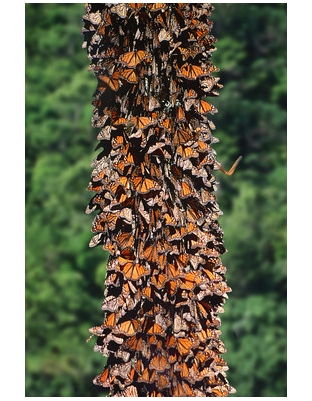
When she discovers the beautiful monarch butterflies overwintering in the woods above the farm, her pastor and congregation first see it as a spiritual blessing, a sign of grace for a woman previously regarded as a bit wayward in her faith. Dellarobia’s discomfort at the attention is exacerbated when encounters with journalists lead to a photo-shopped picture of her as ‘Our Lady of the butterflies’ which then circulates on the net.
Her in-laws discover that the monarchs are an economic blessing. Their always precarious living is under threat from this odd winter where it rains and rains and just keeps on raining. Their plan to log the forest above the mountain has been thwarted by the butterflies. Charging visitors for access helps a little.
When the handsome, exotic scientist Byron turns up to study the monarchs, Dellarobia’s more generous open approach reaps much greater rewards. Invited for dinner on the day of his arrival, Byron befriends her five year old son Preston, rents outbuildings to set up the lab for him and his students and eventually employs Dellarobia as part of his research team.
In a series of scenes in the forest, the lab and mostly over the formica-topped dinner table Byron explains the monarchs’ presence to Preston, the infatuated Dellarobia and we eavesdroppers. The monarchs are in the Appalachian Mountains because logging and climate change are reducing the band of forests in Mexico where they usually spend their winters. It is touch and go whether sufficient can survive in these colder climes – and the majority of monarchs in the world are here. The survival of a species is under threat, from the very same forces that are almost certainly the cause of the landslides and floods that are undermining the local economy.
So that when the TV journalist comes back for more, she is whisked off immediately to the lab. Byron loses his temper as she repeatedly attempts to frame the interview within a climate sceptic agenda and he launches a withering attack on climate scepticism and media cynicism – all recorded on a mobile phone and posted on You Tube before the humiliated journalist has fled.
The novel wears its learning lightly – we are seduced into caring about the minutiae of the monarchs migrations and life cycle. The easy narrative flow also disguises its technical skill. All Kingsolver’s fiction challenges prejudice and portrays vivid characters who learn from their experience. Never before has she so seamlessly interwoven the personal, the scientific, the social and the political.
Novelists have used intelligent women struggling with confinement to domestic life to highlight social ills since the great novels of the nineteenth century. In fullness of characterisation Dellarobia is in that company. However, unlike her high bourgeois literary antecedents she sees her son off on the school bus in her pyjamas, worries about the tidiness of her house and the quality of her furniture and struggles to meet her son’s desire to keep up with his peers in second hand shops full of plastic tat.
Dellarobia discovers that the way out of her marriage is not another relationship but the resumption of an education cut short by a teenage pregnancy and the sexism of her teachers. Her intellectual awakening and emotional maturation provide a positive counterpoint to the threat to the monarchs’ existence and to her community’s way of life. This is a great contemporary novel. Read it.


 manchester climate monthly