A bluffer’s guide to #Manchester environment & #climate organisations, old and new

A year ago the Manchester environment/climate movement looked like this
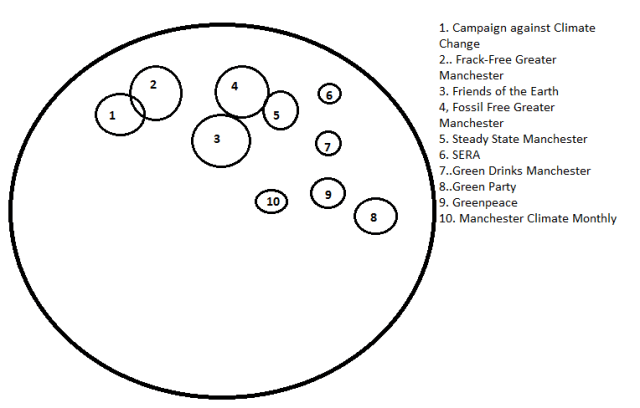
climate movement in manchester 2018

Today it looks like this

climate movement in manchester 2018 and 2019


What happened? Three things or four things, imo.

I think – but absolutely cannot prove – that these acted in synergy, amplifying each other. If any one had been missing, we wouldn’t be seeing this intensity of attention (which is distinct from concern, and distinct again from action).

The point of this post is to help new (and perhaps old?) members of the climate action “community” in Manchester (it’s not a movement yet) develop what the military call situational awareness of who the actors are. It is mostly long list of groups, with some effort to flag overlaps of personnel, ideology, methods etc. For each group

  • what they have done/are about to do,
  • how they do it,
  • how to contact them (email, twitter, turning up)
  • what the specific challenges ahead for them are.

This of course is from one perspective – do your own research, go to meetings, read websites (with a pinch of salt, obvs).  For the sake of ‘neutrality’ the lists are alphabetical, rather than in order of size or usefulness. Totally coincidentally, Climate Emergency Manchester, which I co-founded, will soon be rebranding to “Aardvarks and assorted animals against atmospheric apocalypse”: watch out for us at the Carnival of Creatures on June 1st.

The post is a game of two halves.   First it talks in outline terms about the existing groups from Yon Older Days.  So, in the first half

Campaign against Climate Change, Fossil Free Greater Manchester, Frack-Free Greater Manchester, Friends of the Earth, Green Drinks Manchester, Green Party, Greenpeace, Manchester Climate Monthly, SERA, Steady State Manchester

Not campaigning per se, but part of broader movement

Carbon Coop, Kindling Trust . Bridge 5 Mill , Manchester Environmental Education Network and two media outlets – The Salford Star and, much more recently, The Meteor.

For the sake of brevity, the corpses are left buried – nowt on Manchester Climate Action, Stop Expansion at Manchester Airport, Call to Real Action, People’s Environmental Scrutiny Team, Action for Sustainable Living, Transition City Manchester, Reclaim the Power Manchester etc etc etc).

Second it deals with the new groups

Climate Emergency Manchester, Extinction Rebellion, Fridays for the Future, GM Unite the Union Community Branch – climate group, Rising Up! Manchester Families and Youth Strike for Climate

Final disclaimers

  • Doubtless I will get things factually wrong. Email me if I have missed a group, mislaid its email address whatevs – mcmonthy@gmail.com
  • People who’ve met me may have noticed that I have one or two opinions. I also have a lot of history, not all of it happy, with various groups.  For once in my damn life I am keeping the editorialising to a minimum, nixxing the snark. and trying to report “just the facts” (1)
  • I haven’t included the “official” apparatus that dates back to 2009, because it is a contemptible joke not worthy of your time.  There’s also a couple of private businesses that I feel don’t deserve your attention/to be included in any list of climate action.

So, FINALLY, on with the show…

OLD GROUPS

Campaign against Climate Change

What they have done/are about to do: Mostly in support of the Frack-Free Greater Manchester campaign

How they do it: Held a public meeting last October. They book transport to demos.

How to contact them (email, twitter, turning up): no website, facebook 2 years old. I think you phone

What the specific challenges ahead for them are: A small tightly-knit band of overstretched people


Fossil Free Greater Manchester

What they have done/are about to do: Campaign to get Greater Manchester Pension Fund to divest from fossil-fuels (i.e. the clue is in the name).  “On Friday 19 July 2019, Greater Manchester Pension Fund will be holding its Annual General Meeting.  Please make a note of the date.  It would be great if you’d come along. Fossil Free Greater Manchester will again be there.  Last year we demonstrated outside while some of us attended the meeting (see report at this link).”

How they do it: reports, lobbying, polar bear stunts, social media etc

How to contact them (email, twitter, turning up): website, contact form

What the specific challenges ahead for them are: The usual ones – of making moral arguments into economic ones, of maintaining momentum/morale in a long struggle with opaque organisations


FrackFree Greater Manchester

What they have done/are about to do: Support protest activities on site at Preston New Road, and also gaining public support (e.g. recent letter signing campaign at Salford Shopping Centre

How they do it: see above

How to contact them (email, twitter, turning up): website (not updated?), very active facebook group

What the specific challenges ahead for them are: With any luck – and thanks to an incredibly determined campaign by them – fracking is almost dead and they can have a well-deserved rest/turn to other facets of the beast.


Friends of the Earth (Manchester branch)

What they have done/are about to do: Campaigning and so on about a host of activities, not just climate change

How they do it: Meetings, stalls, lobbying. They do a very useful weekly digest, which is free to sign up to

How to contact them (email, twitter, turning up): Website.  And if you’re reading this on Thursday 2nd May 2019,they’re having a social at the Sandbar.

What the specific challenges ahead for them are: Explaining their particular role these last ten years on the specific issue of climate change policy and Manchester City Council.  Being overtaken by more radical groups demanding swifter action, which will attract many of the people who might otherwise have ended up in FoE


Green Drinks Manchester

What they have done/are about to do: Host monthly or so events with a speaker and drinks (the clue is in the name)

How they do it: see above.

How to contact them (email, twitter, turning up): website


Green Party

What they have done/are about to do: Had a councillor on Manchester City Council between 2003 and 2008. Nowt since

How they do it: Fighting elections.

How to contact them (email, twitter, turning up): Website. Aside from “full slate” announcement it was last updated in September 2018.

What the specific challenges ahead for them are: Relevance in a city where they have no hope of winning an election (First past the post, the votes for Labour are weighed in most wards, not counted. The Corbyn factor will help that endure, even though it shouldn’t). Inability to think and do non-political party stuff as an organisation.


Greenpeace(Manchester)

What they have done/are about to do: The usual Greenpeace franchise campaigns (i.e supporting stuff that (inter)national Greenpeace wants supporting. Scope for local autonomous activity under the Greenpeace banner is limited.

How they do it: Stalls, dressing up as polar bears etc etc

How to contact them (email, twitter, turning up): Website, Facebook.

What the specific challenges ahead for them are: As per Friends of the Earth.


Manchester Climate Monthly (aka MCFly, from when it was Manchester Climate Fortnightly, 2008-2010)

What they have done/are about to do: Devastatingly good-looking and beloved journalists with several Pulitzer Prizes, Manchester Cl… oh, who am I kidding.  There’s interviews, FOIAs, reposts, lots and lots of unsolicited advice [which is being less ignored than it used to be], etc

How they do it:  One man and his Calvinism.  Also, guest posts, and a new volunteer

How to contact them (email, twitter, turning up):  mcmonthly@gmail.com @mcr_climate

What the specific challenges ahead for them are: Keeping up with the volume of activity (and action).  Sorting wheat from chaff. Doing my fricking day job.


SERA

What they have done/are about to do: Labor Party greenies, last seen trying to get Andy Burnham to make some clean air promises.  Sera are planning upcoming meeting / workshop on Growing Green Jobs / skills for a Green Transition, title will probably change. Early July …. possibly in collaboration with GMCaCC.

How they do it: Holding meetings, going to Labour Party conferences, lobbying.

How to contact them (email, twitter, turning up): Don’t know. Here?

What the specific challenges ahead for them are: Demographics: All the cool kids are with Momentum or XR.


Steady State Manchester

What they have done/are about to do: Campaigning for a Steady State economy (the clue is in the name)

How they do it: Reports, meetings. Their AGM is also tonight – Thurs 2nd May.

How to contact them (email, twitter, turning up): Website

What the specific challenges ahead for them are: Same as for everyone: keeping up with the pace of events and the (impossible) scale of the problems facing Manchester.


Not campaigning per se, but important parts of the ecosystem

Carbon Coop

What they have done/are about to do: All sorts of practical energy reduction measures, at a collective level. Esp housing retrofit: “an energy services and advocacy co-operative that helps people and communities to make the radical reductions in home carbon emissions necessary to avoid runaway climate change.”

How they do it: Organising retrofits, meetings, involvement in policy processes, lots of stuff

How to contact them (email, twitter, turning up): Website

What the specific challenges ahead for them are: That would be telling…


Kindling Trust

What they have done/are about to do: Supporting organic food-growing, esp peri0urban (i.e. close to Manchester). “Kindling is working towards a just and ecologically sustainable society. We work with communities, farmers, practitioners, activists, and policy makers to create and support progressive projects that bring about lasting and genuine change.” They’ve got Land Army days coming up

How they do it: Supporting organic farmers, organising volunteers, “etc” – check out their website.

How to contact them (email, twitter, turning up): website

What the specific challenges ahead for them are: Climate change, same as for the rest of us.


Bridge 5 Mill

What they have done/are about to do: Mill in Ancoats converted into meeting space 20 years ago. Scene of many many a worthy meeting.

How to contact them (email, twitter, turning up): Website

What the specific challenges ahead for them are: Same as ever – just 800m too far from city centre.


Manchester Environmental Education Network

What they have done/are about to do: “dedicated to supporting teachers, organisations and individuals working to promote environmental education and Education for Sustainability.”

How they do it: Work in schools, meetings, conferences

How to contact them (email, twitter, turning up): Website

What the specific challenges ahead for them are: ? Dealing with young kids actually figuring out what the “adults” have perpetrated, and taking the pitchforks out of their cute little hands without getting skewered?


The Salford Star

What they have done/are about to do: Muck-rake (and boy there is a lot of muck to rake) about social justice and environmental justice issues in Salford and beyond.

How they do it: Reporting

How to contact them (email, twitter, turning up): Website

What the specific challenges ahead for them are: Lack of cash. Volumes of muck. It’s a real Augean stables kinda thing.


The Meteor

What they have done/are about to do: New media outlet covering activism style stuff in Manchester

How they do it: Reporting. Trying to skill folks up too.

How to contact them (email, twitter, turning up): Website

What the specific challenges ahead for them are: See above Salford Star/MCFly


NEW GROUPS

Climate Emergency Manchester

What they have done/are about to do: Established late March 2019, to connect old and new activists, make it easier for people to talk to friends/acquaintances about climate change and to get 4000 signatures on a petition  calling on Manchester City Council to declare a climate emergency.

NB The guy writing this post co-founded CEM

How they do it: Website, twitter, collecting signatures on paper, skillshares, public meeting on Thursday May 23 – “What Next for Climate Action in Mnachester?”

How to contact them (email, twitter, turning up): climateemergencymanchester@gmail.com.  Also contact form,

What the specific challenges ahead for them are: what if Council does actually declare CE (and then continues with BAU)?!  Keeping momentum/network building going. Not burning out.


Extinction Rebellion

What they have done/are about to do: C’mon. No explanation necessary. November demo in Manchester. A week of rebellion in London in April. A Very Big Meeting last week.

How they do it: Public order situations, primarily, but pivoting now…

How to contact them (email, twitter, turning up): xrmcr.org  also twitter. Meeting most Mondays at The Breadshed or Sandbar.

What the specific challenges ahead for them are:  The Lure of London, the limits of the arrestability meme,  Strategic Co-optation (Committee of 100 redux), agents provocateur,  the summer (since many folks involved are students). Really understanding that what goes up has always in the past gone down (maybe indeed, ‘this time it’s different’)


Fridays for Future

What they have done/are about to do: Gathering outside rear entrance of Town Hall (i.e. next to War Memorial)  every Friday since late November 2018.

How they do it: Turn up.

How to contact them (email, twitter, turning up): No website, just turn up. Fridays, 12 to 2. If it is raining, under the Central Library portico thing.

What the specific challenges ahead for them are: What about the summer?  How to sustain interest


GM Climate Action Network

What they have done/are about to do: One launch meeting in January. A couple of open letters

How to contact them (email, twitter, turning up): Twitter

What the specific challenges ahead for them are: The two problems of any broad “coalition” – how to act quickly and lowest common denominator-ism (15m tonnes? Seriously?)  Actual financial and personnel resources?


GM Unite the Union Community Branch – climate group

What they have done/are about to do: See this great interview

How they do it: They are holding a film showing, and having speakers at their meetings.

How to contact them (email, twitter, turning up): Saturday May 11th film showing of ‘This Changes Everything’

What the specific challenges ahead for them are: As they well know, not all Trade Unions are on the same page about the actions needed and the speed and scale.


Rising Up! Manchester Families

What they have done/are about to do: Hold monthly family meetings, do online and email lobbying of council and put on a pre-climate strike meet up for families of young children at Mcr Art Gallery. Next meeting is Sunday 19th May at 11am, next pre meet climate strike is Friday 24th May at 11am (both Manchester Art Gallery)

How they do it: First big event will be Carnival of Creatures on Saturday June 1st

How to contact them (email, twitter, turning up): For now Twitter, but website impending.

What the specific challenges ahead for them are: Need more people taking active roles


Youth Strike for Climate

What they have done/are about to do: They’ve had three strikes and are about to have another – Friday 24th May.

How they do it: They strike!  The same thing that gave us the vote, freedom of speech, etc etc.

How to contact them (email, twitter, turning up): Twitter

What the specific challenges ahead for them are: Summer is coming: How to maintain morale and momentum


What next?

  • Soon enough there will probably be an explicitly Christian group, and you’d hope Muslim, Jewish and other ones.  Whichever particular god(s) you believe in, She/They are probably very pissed off at the wanton destruction of most of their creation.
  • Hopefully too we will see more union activity,and better dialogue between the various environmental, TU and other-social-issue groups (the GM Unite Community Branch climate group is a HUGELY encouraging development, that all environmentalists should support, imo).
  • Co-ordination and mutual support, not stepping on each others’ toes, not booking events on the same day, not being parasitic on each others members/supporters will as ever continue to be a problem, but not one that can’t be partially coped with (never resolved).
  • The inevitability(?) of social movement dynamics – smugosphere, emotacycles, movement-cycles, abeyance…


Final reflections

Well, that was confusing, wasn’t it?  Sorry, but it’s a big (or broad) scene, with a lot of activity (and some action).  If someone wants to scrape the data and make a more attractive two sides of A4 (probably landscape?) then go right ahead. Two final observations, both banal.

  • First, some of these new groups will not survive, or will shrink to a shadow of their current selves. Some will go into voluntary liquidation with a  “mission accomplished”. Others may split into Popular Fronts and People’s Fronts. New groups will spring up too, chasing the buzz and the numbers. It will all be… gaudy.
  • Secondly, there are and will be lots and lots of unaffiliated concerned citizens. I hope that these people. realise that just because one group is “not for you” that doesn’t mean your skills, knowledge, talents, passions and broader networks are not urgently needed. They absolutely bloody are (pardon my French).  And we aardvarks are right here…


Footnotes

(1) If anyone from the Uni sees this and starts laughing about my positivism, yes, yes, Bhaskar, Archer, SCOT, STS, Foucault etc etc. This is a blog for crissake.

Posted in Campaign Update | 9 Comments

Interview: Greater #Manchester Unite the Union Community Branch #climate group

Below is an interview with a member of the GM Unite Community Branch climate group.  They have a film showing coming up on Saturday 11th May, of “This Changes Everything”.

Meanwhile, if you’re reading this post on Weds 1st May, and you use twitter, please tweet with the hashtag #climateemergency about the Manchester petition.  This one.

Thanks!


My name is Bev Keenan and I am responding as a member of the GM Unite Community Climate Change group, I’ve been attending Unite branch meetings and joining in activity for about 2 years now.

1. Tell us a bit first about the Greater Manchester Unite the Union Community Branch – when was it set up, who is involved, what has it done, what is it doing, what does it hope to do?
The GMUnite the Community branch was set up in 2011 as part of a strategy by the Unite Union, to support those outside the workplace. Members include the unemployed, carers, those with disabilities,students, and the retired. The aim is to facilitate collective organisation in order to better conditions and campaign for social justice. Unite Community began in response to the austerity driven policies of the Cameron government, seeking to bring together activists such as those in the Bedroom Tax Campaign and against the privatisation of the NHS.
Currently, in Greater Manchester, members run weekly protests at Job centres in Ashton, Rusholme and Stockport, providing advice and support to claimants on Universal Credit. Members are also active in several other campaigns. We have speakers at branch meetings on topics such as; the Better Buses Campaign, Anti-Racism, Manchester Housing Action. We’ve also had meetings on Anti-Semitism, Palestine and Venezuela.

2. More specifically on its climate group – when was it set up, who is involved, what has it done, what is it doing, what does it hope to do?
Several members have been active in environmental campaigns; including Anti-Fracking at Barton Moss 2013 and more recently Preston New Road. Some members have been protesting a lot longer, around initiatives such as A Million Climate Jobs. In September 2018, the branch decided to set up a working group to step up our involvement. We see Climate Change as one of our key priorities and we recognise that this view is not necessarily shared across the trade union movement, including within Unite. We want to raise awareness and help to build joint action. We use the network of trades councils, we have delegates to each across Greater Manchester. We can also lobby within Unite the Union for diversification of jobs. As part of Unite we are also affiliated to the Labour Party and send delegates to Constituencies. The last Labour Regional Conference passed a motion on defence diversification that had also been passed in our Branch, although it was submitted by one of the Manchester Constituency parties.

A group of us recently attended an event on the New Lucas Plan. The latter dates from the 1970’s, when in response to redundancy workers at Lucas Aerospace developed a model for alternative use of production. It was or is, based on social need and grassroots control and would fit very well with a low carbon economy. Recently, we have supported the #Youthstrike4climate demos in Manchester. As a retired teacher, I find the enthusiasm and confidence of the young people very uplifting and I was very glad to hear of the NEU conference motion passed last week, to support the continued school strike activity. We’ll also be attending the May Day events in Salford May 4th and Manchester May 5th, to promote our film event. The Manchester rally will have different workshops and sessions; several featuring issues related to climate change.

3. You’re holding a free film showing on Saturday May 11 – tell us a bit about that – is it your first event? what do you hope it achieves?
tce grabOur film event on the 11th May ‘This Changes Everything’ is our first event and it’s main aim is to stimulate interest and facilitate sharing of ideas and resources. I read the book some time ago and I am looking forward to seeing the communities in action to defend their homes and livelihoods. It should reinforce the key thing which I want to see develop next; a real understanding of why we must make the environmental movement, a movement for all. It’s great that the issues of inclusiveness and outreach were raised in the XR people’s assembly at Marble Arch. Developing the 4th demand of a Just Transition, is absolutely key to progressing this.
Following on from the film event we’d be very interested in jointly organising a bigger event over a day perhaps? with workshops and meetings; such as happened in London during the recent XR Rebellion week. I know XR in Manchester is already on to this as the next step.

4. How can people get involved in GMUCB climate group’s work, or support it?
Any member of the Unite the Community branch can join our Climate group. And we hope that many more branch members will continue to participate in joint activity around Climate Change. Working jointly across the community is our main aim.

5. What sorts of actions would you like to see trades unionists and workers not in unions doing on climate change in Manchester?
Greta Thunberg supported the idea of a climate general strike during her visit this week. That is definitely what I would love to see. We are quite a way off from that, but we need to keep pushing. Different groups of workers could work out their own specific demands in relation to climate change, to make sure it’s considered at every step. At our next branch meeting, we have a speaker from the FBU. The fires on Saddleworth and Marsden Moors are still smouldering, the firefighters are threatened with job cuts and cuts in service, they could argue for extra resources and against these cuts. Some of our members are involved in the Manchester Better Buses Campaign; which is campaigning for a fully integrated publicly owned transport system. Transport workers would definitely need to be involved in planning this. One of the other things the branch is involved in is the social housing crisis, the Council is currently debating whether to introduce Public Space Protection Orders, to fine vulnerable homeless people living in the city centre. Meanwhile, the massive building programme in the city, financed by global capital will provide relatively few affordable new homes. This begs the question, Who is Manchester for? Again, it’s worth getting involved in the various housing action groups, Acorn or GMHousing Action to organise for a greater say in how our environment is developed and who for.

Posted in Campaign Update | Leave a comment

Extinction Rebellion #Manchester – website and contact form

Extinction Rebellion Manchester now has its own website.

xrmmcr.PNG

They also have a contact form if you want to get involved.  Although only your name and email are compulsory fields, the more you indicate specifics, the more useful the form is to them.

Meanwhile, their next meeting is Monday 6th May, at the Breadshed (opposite the Sandbar’s side entrance). Starts at 6pm, I think.


Posted in Campaign Update | Leave a comment

Interview with Jennie Gibson, on #climatebreakdown, #Manchester and ‘what is to be done’

Jennie Gibson is one of the people involved in Fridays for the Future (and other activities) who MCFly is interviewing. If you want to answer these questions (especially if you don’t tick many/any of the following boxes – white, middle-class, university-educated, able-bodied, cis-gendered – then get in touch via mcmonthly@gmail.com

a) if you could have the undivided attention of Manchester’s
political, economic and cultural leaders for a few minutes, what would
you say to them? (what scientific work should they be reading, what
cultural work, if you want to add)
IMG_4352.JPGI’d like to ask them what their views are on climate breakdown and how
they think the next 10 years are going to play out. I think that’s
really important to understanding the lack of action and urgency in
Manchester. If you’re up to date with the terrifying information about
biodiversity and climate collapse surely you’d be doing everything you
can to mitigate and adapt?

You really don’t need to dig too hard to find out how bad things are.
I’d recommend following of the brilliant scientists on Twitter, that’s
how I get most of my information, someone like Prof. Julia Steinberger
would be an excellent starting point (she’s a bit of a hero of mine).
There is absolutely no excuse for the leading figures in Manchester to
not be fully informed on something that is going to have an impact on
every area of our lives.

b) If you could have the undivided attention of Manchester’s active
citizens (not just on climate, but other issues) for a few minutes,
what would you say to them?)
If we want to create the sort of communities we need for the future
then we have to realise that the people in charge aren’t going to lead
the way. The system as it is is failing us on every level. In the UK
there is currently no provision for food shortages due to another
summer of droughts so as communities we need to be thinking ahead, how
are we going to make ourselves resilient? How are we going to support
each other when the shit really hits the fan?

There are some amazing groups working towards this already, Incredible
Edible, Let’s Keep Growing in Longsight and Levenshulme Repair Cafe
are just a few examples.

c) Tell us a bit about the last few months of (climate) activism. Why
and how did you get involved? What have you learnt? What has gone
well, what is still a “work in progress”?
This time last year I was totally absorbed in having a newborn baby,
then the summer hit and I had a big panic after reading an article on
‘hothouse earth’. I genuinely hadn’t realised until last year that we
were heading for absolute catastrophe. After a period of feeling
totally paralyzed I decided to try and do something about it and
joined Extinction Rebellion. It’s not always easy doing actions with
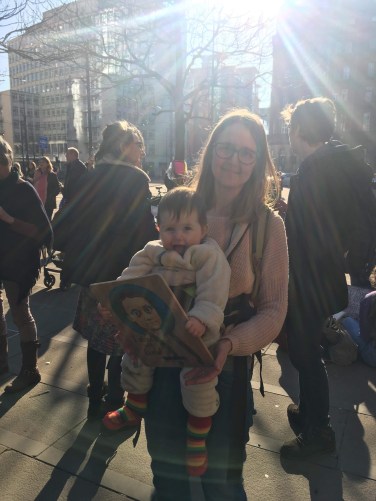
small children (although Sylvie, age 1, has been to demos, strikes and
council meeting disruptions) so I decided to start a Fridays For
Future gathering outside the Town Hall after reading about Greta
Thunberg. I didn’t really have any firm ideas about what I wanted to
achieve other than letting the council know that I was watching them
and possibly meeting some sympathetic people to share my fears for the
future with. It has turned into a place for experienced and new
activists to come and meet, as well as acting as a form of therapy for
the increasing number of people who need someone to talk to. We may
not be changing the world but building connections and comforting each
other feels like a good way to spend my energy.
There are some days when I really struggle to balance this with being
a mum to my two small children. I feel a lot of guilt for having
unwittingly brought them into a world where their future is so
uncertain. I also feel guilty when I’ve got my nose in my iPhone doing
activist related stuff when I should be focusing my energy on them.
Some days it feels like a lose-lose situation but they are the driving
force behind everything I do.

d) What kinds of support would you like to see for all activists (but
especially the youth and the new)? What would you like to see us doing
that we are not, is there anything you’d like us to do less of/not at
all?
As a middle-class white woman I’d not realised the barriers that stop
some people from getting involved with activism, particularly
Extinction Rebellion. In order for the movement to grow we have to
address these barriers. It’s not XR’s fault that people of colour face
institutional racism but it is up to us to acknowledge the privilege
that people like me have and work towards creating a fairer society.
I’m really grateful to the many voices out there who are calling us
out about this and making us feel uncomfortable. Being uncomfortable
is good, it’s how we change for the better.

I have encountered a fairly patronising attitude from some white men
of a certain age who have been campaigning for years (the online world
is especially bad). There is still a lot of ‘ego’ within the movement
and this has to be thrown out if we are to get anywhere.

e) anything else you’d like to say!
As someone who doesn’t naturally gravitate to the scientific
nitty-gritty of climate breakdown I have had to learn not to beat
myself up about not being able to quote facts and figures when
discussing our predicament. I’m not the sort of person who is going to
sit down and read the IPCC report in full (I barely have time for an
average online newspaper article!) and that’s ok. It’s going to take
all sorts of folk to change the trajectory we are currently on,
including those of us who tend to act from the heart rather than the
head!

Posted in Interview, Uncategorized | Tagged | Leave a comment

Job Alert: Biowatch hiring campaigner. Closes 15 May.

We have an exciting opportunity for a highly motivated Bioenergy Campaigner to join Biofuelwatch, please follow this link for the full job advert www.biofuelwatch.org.uk/2019/bioenergy-campaigner/

  • Location: Home-based, preferably from London, other UK locations considered
  • Full time: 35 hours per week – the possibility of job-sharing depending on suitable applicants
  • Contract: 12 months fixed term with the possibility of an extension (depending on fundraising success)
  • Salary: £21,000 pro rata plus 3% employer’s pension contribution
  • Annual Leave: 33 days pro rata in year 1, including public holidays
  • Closing date: 11pm 15th May 2019


Drax 9 (Medium)

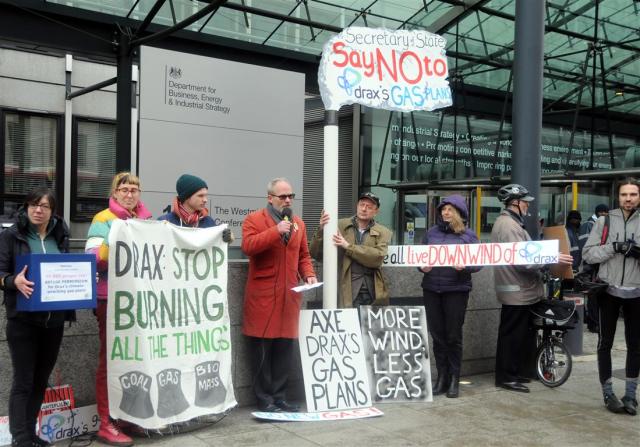
Living in or near London or Yorkshire will be an advantage but is not essential. The role of UK Bioenergy Campaigner will take a key role in delivering Biofuelwatch’s UK biomass campaigning, including our #AxeDrax campaign. S/he will help to build an effective outreach, information and advocacy campaign against subsidies for biomass electricity in the UK, for the closure of Drax Power Station, and for an end to biomass burning in power plants. The work will include informing MPs and civil servants as well as journalists, community groups and other campaigning organisations about issues related to biomass electricity; providing assistance to colleagues in supporting and advising campaigners against destructive biomass energy developments in EU-27 countries: and working closely with other members of an international biomass working group hosted by the Environmental Paper Network.

If you are interested or know of anyone who is interested, please share with your networks. Full details including detailed job description, personal specification and application form can be found on our website www.biofuelwatch.org.uk/2019/bioenergy-campaigner/. The deadline for applications is 11pm Wednesday 15th May, interviews will follow once shortlisting is completed following the deadline.

If you have any questions or would like to talk about the role please contact us on biofuelwatch@gmail.com


Best regards,

The Biofuelwatch team

Posted in Job Alert | Leave a comment

News: Extinction Rebellion meeting tonight, Climate Emergency Bulletin #002 out.

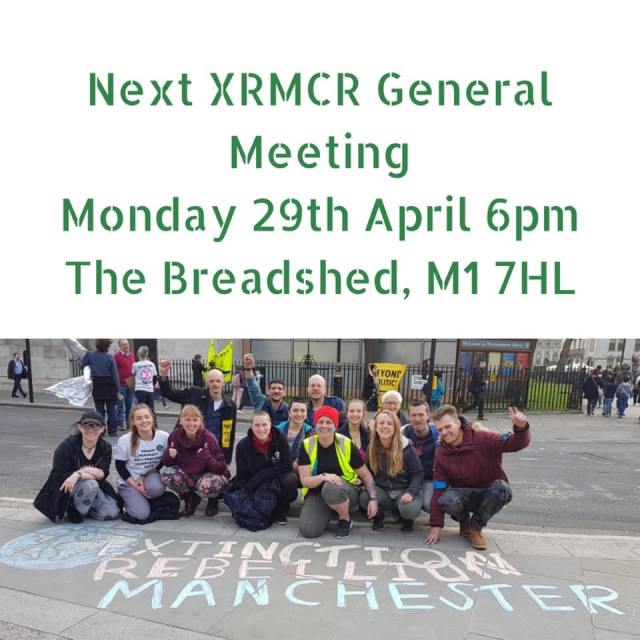
So, from 6pm tonight at the Breadshed (just off Grosvenor St – go to the Sandbar and someone will direct you, there is the first meeting of Extinction Rebellion Manchester since the events of London.

next xrmcr meeting


Meanwhile, Climate Emergency Manchester, a slightly smaller and less high profile outfit (cough, cough), has released its second fortnightly bulletin, with progress reports, thanks and advice on how to collect signatures. And an advert for the meeting on Thursday 23 May about “What next for Climate Action in Manchester?”

Posted in Campaign Update | Leave a comment

“The Secret Smoker” – of Greater #Manchester and its #climate problem… by Claire Stocks

Claire Stocks, who wrote a great account of her time in London with Extinction Rebellion, has produced a short story/metaphorical exploration of GM Climate policy.

It’s here

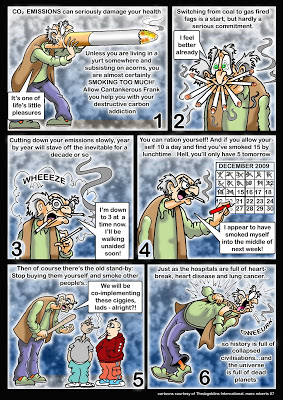
Meanwhile, there’s this old cartoon that is sadly still all-too-relevant…
smokingfrank

Posted in GM Climate Strategy, Greater Manchester | Tagged | Leave a comment

Invitation to join ‘Carnival of Creatures’- Saturday June 1st – #Manchester 

Let us love life, not lose it.
This two-part event by Rising Up! Manchester Families celebrates life, nature and the wonderful web of life on earth which is being lost. It is a call to action, to not let nature – which we are a part of and which we need to stay alive – be erased.

carnival of creatures

Part one is at Manchester Museum and focuses on individual action and our local creatures. There will be fun family friendly arts, crafts, face paint, dress up and play as well as nature activities to help younger ones and parents explore the topic. Manchester Museum, as well as hosting, will be providing sessions of wing making for children and their adults and groups such as RSPB, Manchester Friends of the Earth will be joining our creative fun.

Part two – parade – let’s get noticed and take our message to the streets in a riot of colour, sound and people. We will be joined by circus folk and musicians and we’d love to have you too.

Full parade route and information including accessibility and timings, will be shared with participating groups closer to the event date.

We are planning to finish the event with a wishing tree – a collaborative art project which all participants can join us in.


What’s the issue?

While climate breakdown often gets the headlines the linked issue of species loss is equally as urgent. Worldwide almost 200 species are lost every single day, we are in the middle of the sixth mass extinction which threatens us all.

The situation is particularly dire for insects. A global analysis of the data showed that over 40% of insect species are declining and a third are endangered, a rate of extinction eight times faster than that of mammals, birds and reptiles. The review author Francisco Sánchez-Bayo said: “If insect species losses cannot be halted, this will have catastrophic consequences for both the planet’s ecosystems and for the survival of mankind”.

2016 report State of Nature showed UK is “among the most nature-depleted countries in the world”, with most of the country having gone past the threshold at which “ecosystems may no longer reliably meet society’s needs” One in ten of our species are currently threatened with extinction and there are continuing declines in species such as skylarks, hedgehogs, many insects including butterflies and corn marigolds.

Since then it has been reported that the UK is going to miss almost all of its 2020 targets on nature.

There are many contributing factors behind this. The intensive farming processes are a huge issue as is increased urbanisation and the endless taking of nature to continue growth which we can’t sustain.


What can we do?

We can all do our individual bit to make our immediate area and neighbourhood more wildlife friendly. But much, much more is needed. As well as awareness raising and the education around individual actions Rising Up! Manchester Families has a list of demands for Greater Manchester local authorities which we will be taking to our councillors and to our MPs. We would love you to support us in these, but this is separate to involvement in the event. (Please note – these demands are being finalised and some may be amended.)

We demand that Manchester Council and other GM councils declare an ecological and climate emergency. Nature and climate must take must higher priority in decision making. The council must consider climate and ecological impact on all planning at all levels. (Currently all officers must consider impact on equalities. We propose that this also be the case for climate and ecological impact. This could be done with immediate effect although of course training and understanding about this would be needed to fully embed such thinking.) Manchester and other GM councils must have a clear strategy for how to make the cities more wildlife friendly, including greenbelts across the city. (Manchester has a Green and Blue strategy – biodiversity and preservation of habitat needs to be a key concern rather than a peripheral concern.) Trees must be recognised and valued as the precious resources that they are, with policies which protect them. Felling should only take place in case of trees independently assessed as dead, diseased, dangerous or dying. Locations must be found for large scale tree planting to take place.

Manchester is currently midway through a consultation on the Greater Manchester Strategic Framework which proposes building on greenbelt. Recognising the emergency means recognising that greenbelt is a vital resource which must be protected. Greater Manchester councils must adopt a brownfield first policy, as advocated by the Campaign to Protect Rural England. (Some brownfield sites are valuable for biodiversity – these must be protected.) Greater Manchester councils must drop their support for HS2, which will devastate around 100 biodiverse rich ancient forests. Planting new trees cannot make up for destroying irreplaceable natural habitat and ecosystems. Research has also shown that the HS2 could draw capital into London, rather than benefitting the north. In 2014 Andy Burnham described it as a “poor deal for most of the region’s taxpayers”

We also call for the following immediate and low-cost policies. Greater Manchester councils must, as Trafford has, ban the use of pesticides from all public land including from allotments. They should also reduce mowing of public grassy areas.

There is also a need for visible projects which engage the public. We will be putting forward proposals for gardening and gardens for the city, including for permaculture beds in Piccadilly Gardens and for a living gardens bee trail. We need to engage hearts and minds and people need to be able to see visible signs of change in our cities.


Want to take part?

Community groups and organisations

We are inviting community groups and organisations to join us in any way that works. Many groups are holding activities in the weeks leading up to the event to make props and costumes, to both raise awareness of the issue, to get involvement and to prep for the carnival. Manchester Art Gallery are using their half term family artist sessions to make props for the parade.

The theme is a broad one. Creatures, species and nature mixed with a circus-y carnival vibe. We will be producing a list of ideas for activities over the next couple of weeks which we will share. Or create your own. While any costumes and props relating to creatures and to the natural world are welcome we would particularly love ones which focus on our local species. Dancing badgers, beetle brigades and the such welcomed with open arms!

And of course, extra points for costumes that use recycled, second hand and natural materials. You can wheel, walk, skip, dance, bike, scoot or juggle your way along the march.

Please email hello@risingupmcr.org if you are interested in being involved.

Performers

We are talking to performers as well as organisations. There is no budget, Rising Up! Manchester Families is currently run on our own money, our own time and a shoestring. Climate change and species loss is an issue which is going to impact all of us, if it is something you want to take action on we’d love to have you. We fully understand that even if you offer your involvement, that if you get a paying gig which clashes that you would have to take the money. We just ask that you keep us informed.

Please email hello@risingupmcr.org if you are interested in being involved.

Individuals

Why not get together with friends and make some props for the parade? We will be sharing ideas in our Facebook group.


Rising Up! Manchester Families

We are a family climate action group connected to Extinction Rebellion.

We are facing an ecological and climate emergency. Organisations must tell the truth and declare an emergency. They must act now to halt biodiversity loss and reduce greenhouse gas emissions to net zero by 2025. Extinction Rebellion are calling on the government to create a Citizen’s Assembly which will make decisions on these issues.

Rising Up! Manchester Families aim to remove barriers to families – especially those with young children and those who are new to this – and make it easy and fun for them to take action.

Our Rising Up! Manchester Families website is being developed, you can currently find us on Facebook, follow us on Twitter @RisingUpMcr or email hello@risingupmcr.org

Posted in Campaign Update, Upcoming Events | Tagged | 2 Comments

Global warming, local swarming; or “Does this clown EVER shut up?” #oldfartclimateadvice

In a recent blog post that seems to have provoked at least one four-letter response, I promised to give yet more unsolicited advice, on how I would design and execute “a meeting for 200 people that involved new people, old people and the what next question?”

I already addressed some of these questions in an email, but here are some nittier and grittier details. I do this more to try to share a general philosophy and some tricks of the trade, rather than say there is “One Right Way.” Because, well, there isn’t. It’s also good for me to think seriously about these, since Climate Emergency Manchester (I’m involved) is holding a public meeting – ‘What Next for Climate Action in Manchester?‘ on Thursday23rd May at the Friends Meeting House, 6 Mount St (7pm mingle, 7.30 start) and we will face the same issues (and I will do a similar blog post)

What is it all about – what would success look like?
As with ANY meeting, you want to ask yourself “why are we having it? Why are we asking busy people, often of limited resources, to come? How does their coming to the meeting help them be part of the movement? How can we as an organisation benefit from their physical presence? What about all those people who wanted to come but couldn’t, or want to know what happened?”

I was intending to make this “hypothetical”, but no point pretending I think. XR Manchester had a big contingent of people in London over the last fortnight. Their informal social last Monday at the Sandbar had about 45 people present.  Their next meeting, on Monday 29 April, from 6pm, at the Breadshed (basically next door to the Sandbar on Grosvenor St) could easily see 200 people rock up.  That is a huge challenge.  Seriously, a HUGE challenge. So, on with the unsolicited advice.

Why are we having the meeting?

Presumably, what XR Manchester wants to get from the meeting is along these lines
a) Welcome lots of new people and give them a chance to learn about your groups culture, values and demands [ideally by doing them rather than being told about them]
b) Discuss/recap what happened in London/Manchester, celebrate
what went well, talk about what they’d do differently next time/what went badly
c) Discuss what needs to happen next in Manchester and nationally

The main additional goal for XR that I would push,  were I involved in it, would be to ask  not just for people’s contact details, but also

  • what knowledge, skills and relationships people HAVE
  • what knowledge, skills and relationships people WANT
  • how (if) they want to use their specialist skills for the health of the organisation. (who knows, maybe they want to “switch off “from that and cut onions.)
  • when they are available, to do what, for how long (while being aware that this will change – in both directions)

All the while trying not to come across as a high-pressure cult.

I’d would have probably called it, for the sake of argument From London to Manchester: reflections and connections” because words like “debrief” and “visioning” give most people flashbacks to horrible manipulative corporate shite they have had to endure while in precarious poorly paid  bullshit jobs.. Also, “London Debrief” implies that if you weren’t there, you don’t have anything to say… Still, water under the bridge (or “carbon into the atmosphere” as people don’t say, but should).

The whole question of how much specific planning/prep to do – well, see footnote one, because I don’t want to slow down the narrative even more.


BEFORE the meeting,

Aside from putting on the meeting, I’d ask other people to make sure that any conflicts and problems about London were at least begun-to-be-dealt-with before a public meeting. No need to have the unmitigated risk of conflict breaking out if you can help it.

  • Figure out who your facilitators are. Have more than enough- there are always some people who simply can’t make it on the day because they are busy/knackered.
  • Have a clear and simple agenda/format, worked out in advance and circulated in advance (my proposal is in this bog post).
  • Explain in advance what the purposes of the meeting are and answer questions, hear suggestions for modifications etc.  You know, a SMEAC. The facilitators must know the exact purpose of each section of the meeting, and their “job” inside out, back to front (the success of a meeting is utterly dependent on execution. No design can survive Murphy’s Law, and Murphy was an optimist.
  • Have WRITTEN information about XR’s aims, modes of working, current status and needs available for everyone (people usually read quicker than they can hear).

I’d get people to make written suggestions about ‘what next’  onto the website, so people have a chance to think through other people’s suggestions. NB It is quite likely, given exhaustion and Easter etc that very few people will do this. The principle however is important.  [Also, XR Manchester now has a (long-awaited, by me at least) website. It looks fantastic, and when it goes live (Sunday?) I will add a link to it.]

I would also want as much basic information about the organisation on the website (demands, history etc) in the form of a FAQ and a pdf. Yes, not many people coming to the meeting will read it but a) some will and b) it’s the principle of the thing dammit.


DURING the meeting

As people turn up, welcome them, give them the two-sides of A4 to read which explain the basics of XR, and tonight’s agenda and its purpose(s).

Start on time, regardless how many people are still turning up. Delaying start times rewards late comers and makes everyone thing “no point turning up on time.”  Punctuality is your friend: its absence drives away some of your most useful people, though they never tell you that.
There will be people who haven’t seen each other since London and want to compare notes. There will be people with “urgent” agenda items etc.
So, maybe 6 to 6.30 is for mingling, etc etc. But for god’s sake start promptly at whenever it is.

Rather than have a super large group being addressed by two or three of the “long-term” activists for the first fifteen minutes, I would have a max five minute intro, that was livestreamed for the benefit of those who couldn’t be there (But livestreaming the whole meeting would be impossible on the format I am proposing, and ill-advised for multiple reasons.)

I would almost instantly break into small groups (“decentralised culture” etc etc). But the WAY you break into those groups is crucial. If you allow it to happen “spontaneously” you will end up with clumps of people who already know each other very well, and then lots of people who don’t know anyone all strangers together and a definite clique of the cool people who went to London versus everyone else.

So, here’s what I would do. I’d get everyone into either in a long snake from Jan 1st day of birth at one corner of the room, through to Dec 31st at the other, with as many switchbacks as required, If the space makes that tricky, then get them clumped by month of birth (footnote 2)  This means  that people will a) inevitably talk to strangers and b) inevitably a few people will have the same day of birth or perhaps even the same exact age

Once you have people clumped in those, you then break down into groups of 4, with an additional facilitator and a note-taker too. Why not bigger groups? Because if there are even 5 people in a group, you get an active dyad/triad and a passive two or three people watching the conversation take place. With a hateful eight, that is even worse, and only a super confident and skilled facilitator is going to be able to easily deal with that. And then there are gender dynamics and age dynamics at play. And not all your facilitators will be super-confident, so why make life harder for them?
Facilitators need to watch out for

  • people talking over others, interrupting (esp if it is their friends. It is far more common for men to talk over women, but any talking over is to be discouraged)
  • getting way off topic
  • people’s grief.

Oh, that’s a good point – I reckon a safe/quiet space, the ability to go and talk to someone about climate grief would be super good.  This looking into the abyss thing – it’s opening a proper can of worms/whoopass.

And my criteria for each group would be to have an equal mix of people involved already in XR and those slightly or totally new to it.
And the main mission of those discussion groups would be for people to get to know each other (so instead of the horrible tokenistic name-go-round, I’d have people work in pairs and then introduce the other person to the group on the basis of “this is X, they live in Y, they want to talk about Z”.).
The facilitator and notetaker are there to keep conversation flowing and capture (Chatham House Rule) any particular questions, insights, suggestions.

I’d then have a SEPARATE space for people who weren’t interested in the “London Debrief” (3) (because they weren’t there, because they were, because they are actually more interested in the what next questions), who could then clump together in groups of 5.

I would have a very clear amount of time (40 mins?) for people to do this,and you know, I would have very very limited feedback into the main group (none would be my preference, tbh.) Why? Because that almost always gets bogged down in technical points, some people will try to hijack it for announcements and grandstanding. If there are questions that haven’t been answered within the group, they can be dealt with later, as long as they’ve been clearly written down. That’s what the new and beautiful website can be for.

Then I’d say that the groups were about to be re-formed and so if anyone wanted to catch someone else’s email/twitter/Tindr/phonenumber then now was a good time.

Then I would rearrange the groups on the basis of…

Wait for it

Wait for it

Geography.

Not who took it at GSCE (or O-levels, frankly, for some of the older farts), but in terms of where they live now.

I’d have a section that said “the desolate north” , with areas for all those poor souls from Wigan, Bolton and so on
Since most people coming to the meeting are probably Manchester-y, I’d sub-divide into Didsbury/Longshdt/Levenshulme, Moss Side/Hulme, Whalley Range/Chorlton etc

And then I’d break down again into small groups, but this time a little bigger (6 or 7? – this is where the facilitators would earn their keep).
And I’d do pairwise intros again, but a bit more detailed – name, projects involved in/know about and things that could/should happen in local area and what resources (skills, knowledge, relationships) are needed for that to happen

And I’d get those running for 40 minutes.

Meanwhile, you’d have people circulating to make sure groups were okay, facilitators and note-takers not frazzled/confused/overwhelmed.

Meanwhile, I’d have loads of paper forms where people could put down not just what skills they have, but what skills THEY WOULD LIKE TO DEVELOP. And also a disclaimer that said “if you don’t have skills that “seem relevant”, and you don’t want to develop them, THAT IS FINE. PLEASE PLEASE STICK AROUND: we need your ideas, your time, your energy.”  I’d also have the same form online as a contact form via googledocs

The point of the meeting is not to make definite plans, but to cultivate ideas and relationships. So, no plenary, no consensus decision making, no Q and A that gets hugely bogged down.

So, I’d do SHORT announcements first (but remember, there’s a website now) and then I’d have each group could choose one idea that they think is really good and there could be a go-round “We’re the Moss Side crew, and we think [insert their best idea].”

Then feedback from each group would obviously get typed up and the non-secret stuff shared.

People remember the most intense bit and the last bit of any meeting, so it is crucial to end on a high note, with a definite end, as close to the official end time (8 o’clock?) as humanly possible. For me, personally, songs don’t do that. Maybe a quote from the latest Greta Thunberg talk or something. Whatevs.

After the meeting, aka “What about all those people who wanted to come but couldn’t, or want to know what happened?”

Quickly (within 24 hours) get a blogpost up on the snazzy website about what happened, for the folks who couldn’t be there. Invite people to share their own reflections on the meeting, on the website.  Blog posts could include some video footage of people being interviewed about what they have done so far for example (video vox pop).
In the blog post include something about the ways people can support XR Manchester and the broader climate movement in Manchester without getting arrested and without coming to meetings.

So, that’s it. There’s heaps I left out (!) because this was already painfully long, and it has stopped raining enough now for me to walk around the park with my backpack full of bricks, handing out slips of paper about the “Hey, Manchester City Council, declare a climate emergency” petition.

Will put up one of these style things soon for the Thurs 23td May meeting. Watch this space. Meanwhile, if everyone would please share my latest neologism. Which one? This one –

potemkinclusivty

What could go wrong
Lots of people turn up continuously through the meeting – need forming into new groups and given clear facilitation.
Some people kicking off – skilled de-escalation facilitators required
Some people not knowing when to shut up – social pressure

Problems that you can do very little about include
Journalists looking for an easy story
Undercover fash
Plainclothes cops
Undercover cops


Footnotes

(1) So why not just be spontaneous? Say you’ve got 90 minutes, just divvy out 30 minutes per thing – welcome new people, then talk about the past, then talk about the future. Bish bosh, done. In terms of design and facilitation of this meeting, Just “winging it”, being “spontaneous” will mean that it is very likely that
a) the most confident speak the most (see Jo Freeman, The Tyranny of Structurelessness)
b) that it’s chaotic,
c) that important things don’t get discussed adequately.

And the most important thing will probably get the least time, since the first two are likely to over-run in the extreme. Those three each, on their own, could take up LOTS of time and energy. I would argue that the third is by far the most important, and that the huge risk is that the first two will take so much longer than people expect that there is simply no time for the crucial (Beginnings of) discussion about the third option.

(2) There other ways of sorting – how many times arrested, how long spent in London, how old etc, but for various reasons, those suck: this one is still unusual and ‘trivial’

(3) Every time I see that or type it, I shudder more…

Posted in Extinction Rebellion, Unsolicited advice | Leave a comment

Meet is murder: “Where do we meet?” is not the only question #oldfartclimateadvice #potemkinclusivity #shoddyneologisms

Tl:dr  blog post about how getting the venue, design and delivery of a meeting right is if not a distraction, then only a very small part of movement-building. We need to de-centre ourselves and see ourselves as a (small) part of large ecosystems of dissent.


“How do we get decent feedback on why people never turned up in the first place? :/”

That – coming in the midst of a discussion about suitable venues (the wrong question?) – is the closer to the  right question.

I will cut to the chase because life is short and we only have 12 [checks notes] 11 years until the total Mad Max climate catastrophe hits us [not].

The right question, if you are wanting to unmadmaxify the future is this – how do we build social movement organisations which people can be meaningfully and continually involved WITHOUT COMING TO MEETINGS.

So I’m going to talk about why so many people come to few meetings, or NEVER come to meetings.  Then I am going to talk about why that matters. Then I am going to talk about why we focus on meetings (you can skip this) and finally, what is to be done.

  1. A very incomplete list of why people never come to meetings  (please add to it – email me at mcmonthly@gmail.com)
  • They came to one once and were basically ignored
  • They came to one once and were intimidated by all the hard-core activists competing with stories of their derring-do, and setting up competitions versus the derring-don’ts….
  • They came to one once and were pressured into standing on street-corners selling unreadable newspapers
  • They came to one once and it was clear the group that called the meeting had no viable plan or hope of success and was just a club for outrage/eargout
  • They came to two but it was clear that all the real decisions had already been made/were going to get made in the pub afterwards, and they couldn’t go.
  • They care about the issue(s) but just don’t see themselves as “activists” because they’re too old/square/consider themselves stupid/not brave enough [do not under-estimate the success of our lords and masters in creating prison bars inside the heads of most of the people under their control.)
  • They can’t afford to come because it would involve getting a babysitter
  • They can’t afford to come because it would involve paying for public transport (and middle-class activists with disposable incomes have ZERO real understanding of what it is like to be so skint that if you go to the pub you can have the 30p cordial and that is it because austerity has screwed you]
  • They can’t afford to come because they have to get up early to go to a soul-destroying minimum wage job

But, you know, who cares about all those losers.  We can have a revolution right here, with just us….

No, wait…..


This: The. Waste. Of. Talent. And. Potential. Is. Staggering.


2. Why it matters

We end up being mildly white, mildly middle-class, invisible to the filters we either created or perpetuated.  This blindingly white middle-classless does not go entirely un-noticed by those a) opposed to our goals and b) those who share our goals.

You can hide behind “it feels inclusive”. You can say “who are you going to believe, me or your lyin’ eyes”.  But if you do those, don’t be surprised when your social movement organisation goes up like a rocket and down like a stick.


3. So why do we focus on meetings?

(Skip this bit if my particular brand of misanthropy and cynicism is not to your liking.)

We mean well. We want our movement organisations to prefigure a better world. We are sensitive to the accusation of race, class and gender bias (while disability issues are still a pretty distant second/third/fourth).

And there is a desire for a visible manifestation of “diversity”,  to re-assure ourselves that we are inclusive.

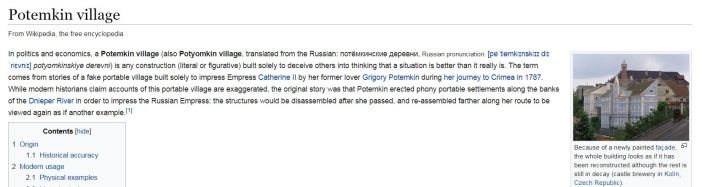
Put it is way: say we “succeeded” in getting a small number of “diverse” people along to a meeting or three.  What we would have built, unless we tackled the broader deeper questions, would be the equivalent of Potemkin Villages.

potemkinvillage.JPG

It would be a form of potemkin inclusivity (potemkinclusivity – see what I did there? My latest tedious neologism!!)

potemkinclusivty

4. So what is to be done? Here is more unsolicited  #oldfartclimateadvice

  • You need to think about ALL the barriers why people might not come to a meeting, and realise that there is a very limited amount you could do about many of them. (footnote 1)
  • Then, obviously, DO those things.
  • Think of “services to the broader movement”
  • Have a mental (written) list of people and organisations.  If someone isn’t actually a good fit for your organisation, suggest they get involved in another. Introduce them to people in that group
  • See your organisation as part of a broader ecosystem (this is one of the things that is really getting on my tits about XR – the conflating, by some within it and others who ought to know better, of it  and the movement. Yes XR is the biggest, gaudiest player at the moment, but it is not the whole system (footnote 2)
  • Have lists of jobs that people can do WITHOUT coming to meetings.  When people DO those jobs then say thank you – in private or if they are up for it, by reading out in the meetings that those people won’t be at, the work they did, and applauding (I know it sounds cheesy, but it will make people who are currently involved and at the meetings realise that even when they do eventually stop coming – and they will – they could still be involved meaningfully in the project
  • Can we please start to think about success  as not about getting people to turn up to meetings (or even demonstrations)  about growing movements.
  • Somebody please please come up with a better term than the academic one – “legitimate peripheral participation” that we can all start using.

In practice, this is about

  • finding out what knowledge, skills and relationships people HAVE
  • finding out what knowledge, skills and relationships people WANT
  • asking them how (if) they want to use their specialist skills for the health of the organisation. (who knows, maybe they want to “switch off “from that and cut onions.)
  • asking them when they are available, to do what, for how long (while being aware that this will change – in both directions

The campaign I co-founded – Climate Emergency Manchester – has a contact form that attempts to do the first of these.

Footnotes –

(1) Here is a quote from an blogpost that is emolliently called “Whiny activists make my blood boil

The ecosystem approach.
Have just read in the Financial Times of the failure of the Michelin “drive on a flat tyre” product. The writer made the point that it all hinged on enough garages installing the new and expensive kit, but that it wasn’t in their interests, so the product failed, and Michelin looked like greedy stupid muppets. Michelin had focussed on the quality of the specific product and that customers seemed enthused, but ignored the “ecosystem” of suppliers etc. Imho, it would never have happened if they had studied Peter Senge’s “The Fifth Discipline”!
My point? How on earth can “we” change the culture of ‘activism’ (fool’s errand? wrong task?) when there are so many interdependencies and – if you take the Transactional Analysis line – dependencies? We might (and I do intend) to “train up” (and learn from!) dozens of people to increase their repertoires around meetings, event reports etc etc. To what avail if they are simply in dysfunctional smugospheric/ego-foddering/Parent-Child (mis)organisations? The lament of activists for ever…

(2) I remember getting into an argument (I got into lots of arguments) during climate camp, the last big gaudy group that thought it WAS the movement,  where people in the comms group were insisting that the most important thing was people turn up at the camp. For me, I always knew that most people who cared about climate change, who we were trying to “reach” (i’ll come back to the quote marks in a bit) either wouldn’t or in fact couldn’t.  So exhorting them to do so could miss opportunities to engage, to learn, and to gain from them.


Next up: How I would design a meeting for 200 people that involved new people, old people and the what next question. Betcha can’t wait…

Posted in Unsolicited advice | 2 Comments